By Geoffrey A. Fowler
Amazon.com Inc. Chief Executive Jeff Bezos said the company's strategy for competing with Apple Inc.'s iPad was to keep its own Kindle e-reader focused on reading. He also said a reflective color screen for the Kindle e-reader was a ways off.
A ways off?
Speaking at the company's annual shareholders meeting Tuesday in Seattle, Mr. Bezos said Amazon's approach to digital reading was focused on two fronts: devices and being an e-book retailer. For the device business, he said Amazon would focus on building a Kindle that appealed to serious readers, as opposed to devices like the iPad that try to serve several different purposes.
"There are always ways to do the job better if you are willing to focus in on one arena," Mr. Bezos said. He also conceded that "90% of households are not serious reading households."
10% of households are serious readers.
The comments were the CEO's first about the Kindle strategy in about six months, during which the landscape for e-book readers and e-bookstores has changed with the introduction of the iPad and a shift in the system for pricing e-books.
Showing posts with label Reading. Show all posts
Showing posts with label Reading. Show all posts
Wednesday, May 26, 2010

Wednesday, March 24, 2010
Fiction Reading Increases for Adults
After years of bemoaning the decline of a literary culture in the United States, the National Endowment for the Arts says in a report that it now believes a quarter-century of precipitous decline in fiction reading has reversed.
The report, “Reading on the Rise: A New Chapter in American Literacy,” being released Monday, is based on data from “The Survey of Public Participation in the Arts” conducted by the United States Census Bureau in 2008. Among its chief findings is that for the first time since 1982, when the bureau began collecting such data, the proportion of adults 18 and older who said they had read at least one novel, short story, poem or play in the previous 12 months has risen. The news comes as the publishing industry struggles with declining sales amid a generally difficult economy.

The proportion of adults reading some kind of so-called literary work — just over half — is still not as high as it was in 1982 or 1992, and the proportion of adults reading poetry and drama continued to decline. Nevertheless the proportion of overall literary reading increased among virtually all age groups, ethnic and demographic categories since 2002. It increased most dramatically among 18-to-24-year-olds, who had previously shown the most significant declines.
“There has been a measurable cultural change in society’s commitment to literary reading,” said Dana Gioia, chairman of the National Endowment for the Arts. “In a cultural moment when we are hearing nothing but bad news, we have reassuring evidence that the dumbing down of our culture is not inevitable.”
Under Mr. Gioia’s leadership the endowment spearheaded “The Big Read,” a program in partnership with the Institute of Museum and Library Services and Arts Midwest to encourage communities to champion the reading of particular books, like “The Great Gatsby” by F. Scott Fitzgerald and “Their Eyes Were Watching God” by Zora Neale Hurston. The report is being released just over a week before Mr. Gioia steps down after six years as the endowment’s chairman.
Four years ago the endowment released the report “Reading at Risk,” which showed that fewer than half of Americans over 18 read novels, short stories, plays or poetry. That survey, based on data gathered in 2002, provoked a debate among academics, publishers and others about why reading was declining. Some argued that it wasn’t, criticizing the study for too narrowly defining reading by focusing on the literary side, and for not explicitly including reading that occurred online.
In each survey since 1982 the data did not differentiate between those who read several books a month and those who read only one poem. Nor did the surveys distinguish between those who read the complete works of Proust or Dickens and those who read one Nora Roberts novel or a single piece of fan fiction on the Internet.
Mr. Gioia said that Internet reading was included in the 2008 data, although the phrasing of the central question had not changed since 1982. But he said he did not think that more reading online was the primary reason for the increase in literary reading rates overall.
Instead he attributed the increase in literary reading to community-based programs like the “Big Read,” Oprah Winfrey’s book club, the huge popularity of book series like “Harry Potter” and Stephenie Meyer’s “Twilight,” as well as the individual efforts of teachers, librarians, parents and civic leaders to create “a buzz around literature that’s getting people to read more in whatever medium.”
This apparent reversal came a little more than a year after the endowment released an overwhelmingly pessimistic report in 2007 that linked a decline in reading-test scores to a fall in reading for fun among adolescents. That report also collected data showing that the proportion of adults who read regularly for pleasure had declined. At the time Mr. Gioia called the data “simple, consistent and alarming.”
Elizabeth Birr Moje, an education professor at the University of Michigan who specializes in literacy, language and culture, said it was impossible to do more than speculate why literary reading rates had increased in the most recent survey. The rise could just as easily be attributed to changes in health care or a need for escape in difficult economic times, she said.
What’s more, Ms. Moje added, it was an isolated piece of information. “It’s just a blip,” she said. “If you look at trend data, you will always see increases and decreases in people’s literate practices.”
Among ethnic groups the latest report found that the proportion of literary reading increased most for what the study classifies as Hispanic Americans, rising to 31.9 percent in 2008 for adults 18 and over, from 26.5 percent in 2002. The highest percentage of literary reading was among whites, at 55.7 percent, up from 51.4 percent in 2002. The rate of literary reading among men 18 and older increased to 41.9 percent in 2008, from 37.6 percent in 2002. The proportion also increased among women, to 58 percent in 2008, from 55.1 percent in 2002.
At the same time the survey found that the proportion of adults who said they had read any kind of a book, fiction or nonfiction, that was not required for work or school actually declined slightly since 2002, to 54.3 percent from 56.6 percent.
Mr. Gioia said that the decline in book reading might be attributable to a falloff in the reading of nonfiction, although he offered no explicit evidence of that.
Patricia Schroeder, president of the Association of American Publishers, suggested that some people might not count the reading they do online or even on electronic readers like the Kindle as “book” reading.
Jim Rettig, president of the American Library Association and university librarian at the University of Richmond, said that the 2008 data would not reflect a recent uptick in circulation at libraries. As the economy has soured, Mr. Rettig said, “people are discovering that you don’t have to spend anything to read a book if you have a library card.”
January 12, 2009
Fiction Reading Increases for Adults
By MOTOKO RICH
The Future of Reading: Literacy Debate: Online, R U Really Reading? (July 27, 2008)
Page Turner: A Good Mystery: Why We Read (November 25, 2007)
Study Links Drop in Test Scores to a Decline in Time Spent Reading (November 19, 2007)
'Reading on the Rise: A New Chapter in American Literacy' (National Endowment for the Arts) [pdf]
The report, “Reading on the Rise: A New Chapter in American Literacy,” being released Monday, is based on data from “The Survey of Public Participation in the Arts” conducted by the United States Census Bureau in 2008. Among its chief findings is that for the first time since 1982, when the bureau began collecting such data, the proportion of adults 18 and older who said they had read at least one novel, short story, poem or play in the previous 12 months has risen. The news comes as the publishing industry struggles with declining sales amid a generally difficult economy.

The proportion of adults reading some kind of so-called literary work — just over half — is still not as high as it was in 1982 or 1992, and the proportion of adults reading poetry and drama continued to decline. Nevertheless the proportion of overall literary reading increased among virtually all age groups, ethnic and demographic categories since 2002. It increased most dramatically among 18-to-24-year-olds, who had previously shown the most significant declines.
“There has been a measurable cultural change in society’s commitment to literary reading,” said Dana Gioia, chairman of the National Endowment for the Arts. “In a cultural moment when we are hearing nothing but bad news, we have reassuring evidence that the dumbing down of our culture is not inevitable.”
Under Mr. Gioia’s leadership the endowment spearheaded “The Big Read,” a program in partnership with the Institute of Museum and Library Services and Arts Midwest to encourage communities to champion the reading of particular books, like “The Great Gatsby” by F. Scott Fitzgerald and “Their Eyes Were Watching God” by Zora Neale Hurston. The report is being released just over a week before Mr. Gioia steps down after six years as the endowment’s chairman.
Four years ago the endowment released the report “Reading at Risk,” which showed that fewer than half of Americans over 18 read novels, short stories, plays or poetry. That survey, based on data gathered in 2002, provoked a debate among academics, publishers and others about why reading was declining. Some argued that it wasn’t, criticizing the study for too narrowly defining reading by focusing on the literary side, and for not explicitly including reading that occurred online.
In each survey since 1982 the data did not differentiate between those who read several books a month and those who read only one poem. Nor did the surveys distinguish between those who read the complete works of Proust or Dickens and those who read one Nora Roberts novel or a single piece of fan fiction on the Internet.
Mr. Gioia said that Internet reading was included in the 2008 data, although the phrasing of the central question had not changed since 1982. But he said he did not think that more reading online was the primary reason for the increase in literary reading rates overall.
Instead he attributed the increase in literary reading to community-based programs like the “Big Read,” Oprah Winfrey’s book club, the huge popularity of book series like “Harry Potter” and Stephenie Meyer’s “Twilight,” as well as the individual efforts of teachers, librarians, parents and civic leaders to create “a buzz around literature that’s getting people to read more in whatever medium.”
This apparent reversal came a little more than a year after the endowment released an overwhelmingly pessimistic report in 2007 that linked a decline in reading-test scores to a fall in reading for fun among adolescents. That report also collected data showing that the proportion of adults who read regularly for pleasure had declined. At the time Mr. Gioia called the data “simple, consistent and alarming.”
Elizabeth Birr Moje, an education professor at the University of Michigan who specializes in literacy, language and culture, said it was impossible to do more than speculate why literary reading rates had increased in the most recent survey. The rise could just as easily be attributed to changes in health care or a need for escape in difficult economic times, she said.
What’s more, Ms. Moje added, it was an isolated piece of information. “It’s just a blip,” she said. “If you look at trend data, you will always see increases and decreases in people’s literate practices.”
Among ethnic groups the latest report found that the proportion of literary reading increased most for what the study classifies as Hispanic Americans, rising to 31.9 percent in 2008 for adults 18 and over, from 26.5 percent in 2002. The highest percentage of literary reading was among whites, at 55.7 percent, up from 51.4 percent in 2002. The rate of literary reading among men 18 and older increased to 41.9 percent in 2008, from 37.6 percent in 2002. The proportion also increased among women, to 58 percent in 2008, from 55.1 percent in 2002.
At the same time the survey found that the proportion of adults who said they had read any kind of a book, fiction or nonfiction, that was not required for work or school actually declined slightly since 2002, to 54.3 percent from 56.6 percent.
Mr. Gioia said that the decline in book reading might be attributable to a falloff in the reading of nonfiction, although he offered no explicit evidence of that.
Patricia Schroeder, president of the Association of American Publishers, suggested that some people might not count the reading they do online or even on electronic readers like the Kindle as “book” reading.
Jim Rettig, president of the American Library Association and university librarian at the University of Richmond, said that the 2008 data would not reflect a recent uptick in circulation at libraries. As the economy has soured, Mr. Rettig said, “people are discovering that you don’t have to spend anything to read a book if you have a library card.”
January 12, 2009
Fiction Reading Increases for Adults
By MOTOKO RICH
The Future of Reading: Literacy Debate: Online, R U Really Reading? (July 27, 2008)
Page Turner: A Good Mystery: Why We Read (November 25, 2007)
Study Links Drop in Test Scores to a Decline in Time Spent Reading (November 19, 2007)
'Reading on the Rise: A New Chapter in American Literacy' (National Endowment for the Arts) [pdf]
Monday, October 20, 2008
4,800 Books and 10 Legs
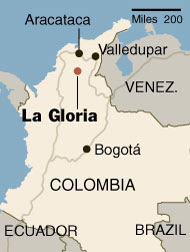
In a ritual repeated nearly every weekend for the past decade here in Colombia’s war-weary Caribbean hinterland, Luis Soriano gathered his two donkeys, Alfa and Beto, in front of his home on a recent Saturday afternoon. Sweating already under the unforgiving sun, he strapped pouches with the word “Biblioburro” painted in blue letters to the donkeys’ backs and loaded them with an eclectic cargo of books destined for people living in the small villages beyond.
In a country that has suffered so much violence in the last half century plus, this is a heart-warming story of a man and books, a triumph of the human spirit that is not a cliché.
“I started out with 70 books, and now I have a collection of more than 4,800,” said Mr. Soriano, 36, a primary school teacher who lives in a small house here with his wife and three children, with books piled to the ceilings.
A whimsical riff on the bookmobile, Mr. Soriano’s Biblioburro is a small institution: one man and two donkeys. He created it out of the simple belief that the act of taking books to people who do not have them can somehow improve this impoverished region, and perhaps Colombia.
A breakthrough came several years ago when he heard excerpts over the radio of a novel, “The Ballad of Maria Abdala,” by Juan Gossaín, a Colombian journalist and writer. Mr. Soriano wrote a letter to the author, asking him to lend a copy of the book to the Biblioburro. After Mr. Gossaín broadcast details of Mr. Soriano’s project on his radio program, book donations poured in from throughout Colombia. A local financial institution, Cajamag, provided some financing for the construction of a small library next to his home, but the project remains only half-finished for lack of funds.
He fractured his left leg in a fall from one of his burros in July, leaving him with a limp. And some of his readers like the books they borrow so much that they fail to return them. Two books that vanished not long ago: an illustrated sex education manual, and a copy of “Like Water for Chocolate,” the Mexican writer Laura Esquivel’s novel about food and love in a traditional Mexican family.
And there are dangers inherent to venturing into the backlands around La Gloria. Two years ago, Mr. Soriano said, bandits surprised him at a river crossing, found that he carried almost no money, and tied him to a tree. They stole one item from his book pouch: “Brida,” the story of an Irish girl and her search for knowledge, by the Brazilian novelist Paulo Coelho.

Luis Soriano, a teacher from La Gloria, Colombia, traveled to the village of El Brasil with his Biblioburro on Oct. 11. The donkeys are named Alfa and Beto.
 Slide show
In a country that has suffered so much violence in the last half century plus, this is a heart-warming story of a man and books, a triumph of the human spirit that is not a cliché.
“I started out with 70 books, and now I have a collection of more than 4,800,” said Mr. Soriano, 36, a primary school teacher who lives in a small house here with his wife and three children, with books piled to the ceilings.
A whimsical riff on the bookmobile, Mr. Soriano’s Biblioburro is a small institution: one man and two donkeys. He created it out of the simple belief that the act of taking books to people who do not have them can somehow improve this impoverished region, and perhaps Colombia.
A breakthrough came several years ago when he heard excerpts over the radio of a novel, “The Ballad of Maria Abdala,” by Juan Gossaín, a Colombian journalist and writer. Mr. Soriano wrote a letter to the author, asking him to lend a copy of the book to the Biblioburro. After Mr. Gossaín broadcast details of Mr. Soriano’s project on his radio program, book donations poured in from throughout Colombia. A local financial institution, Cajamag, provided some financing for the construction of a small library next to his home, but the project remains only half-finished for lack of funds.
He fractured his left leg in a fall from one of his burros in July, leaving him with a limp. And some of his readers like the books they borrow so much that they fail to return them. Two books that vanished not long ago: an illustrated sex education manual, and a copy of “Like Water for Chocolate,” the Mexican writer Laura Esquivel’s novel about food and love in a traditional Mexican family.
And there are dangers inherent to venturing into the backlands around La Gloria. Two years ago, Mr. Soriano said, bandits surprised him at a river crossing, found that he carried almost no money, and tied him to a tree. They stole one item from his book pouch: “Brida,” the story of an Irish girl and her search for knowledge, by the Brazilian novelist Paulo Coelho.
“For some reason, Paulo Coelho is at the top of everyone’s list of favorites,” said Mr. Soriano, hiding a grin under the shade of his sombrero vueltiao, the elaborately woven cowboy hat popular in Colombia’s interior.

Luis Soriano, a teacher from La Gloria, Colombia, traveled to the village of El Brasil with his Biblioburro on Oct. 11. The donkeys are named Alfa and Beto.
 Slide show
Subscribe to:
Posts (Atom)

